
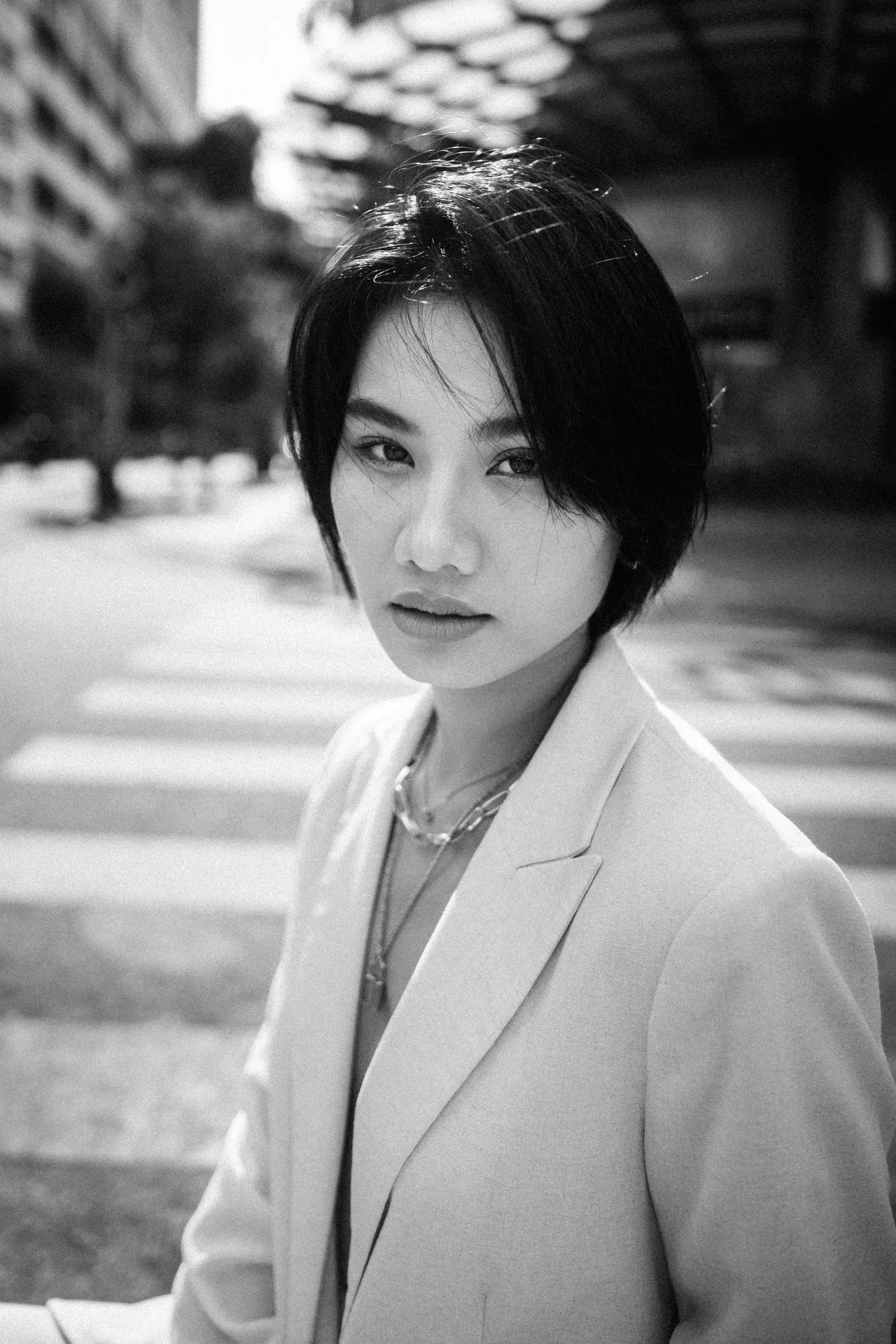
15 Bobs for Fine Hair That Double the Thickness
Fine hair has one big weakness: it shows every gap. Put it in the wrong bob — too long, too layered — and the ends go stringy by lunchtime.
The right bob plays a clever trick on the eye. Blunt ends, the right length, and volume placed where fine hair needs it can make your hair look twice as thick. Below are 15 bobs built for fine hair, each with the exact words to say to your stylist.
The Cheat Sheet
| Look | Why It Looks Thicker | Best For |
|---|---|---|
| Blunt Bob with No Layers | Every end lands on one dense line | Straight to wavy hair |
| Layered Bob with Movement | Hidden layers lift without thinning | Flat, lifeless hair |
| French Bob with a Fringe | Short length keeps ends full | Oval and heart faces |
| A-Line Bob (Longer at the Front) | Angled line adds front fullness | Round and square faces |
| Short Stacked Bob with a Tapered Nape | Built-up back pushes hair forward | Very fine, flat-backed hair |
| Wavy Bob with Texture | Bends and waves fake width | Wavy or styled hair |
| Chin-Length Bob with a Side Part | Flipped part gives instant root lift | Anyone short on time |
| Lob with Blunt Ends | Longest length fine hair can carry | Long-hair lovers |
| Bob with Curtain Bangs | Shallow bangs, no density stolen | Long and oval faces |
| Asymmetric Bob | One longer side reads bold and full | A statement fine bob |
| Bob Tucked Behind the Ears | Shows off the thick perimeter line | Neat, polished days |
| Rounded Bob with Volume at the Crown | Rounded shape uses every strand | Hair that falls flat on top |
| Feathered Bob with Light Layers | Soft flicks add movement, not gaps | Straight to wavy hair |
| Sleek Bob with a Center Part | Smooth, dark surface reads dense | Sleek, polished looks |
| Textured Bob with Piecey Ends | Pointed ends look deliberate and full | Relaxed, undone styling |
1. Blunt Bob with No Layers

One length all the way around, every end landing on the same line — that solid edge is the most convincing thickness fine hair can wear. Nothing is layered away, so no weight is wasted. Blow-dry smooth, or add a slight bend.
Best for: Straight to wavy hair, a polished finish.
Ask your stylist: “A one-length blunt bob, no layers at all, with a clean solid edge all the way around.”
2. Layered Bob with Movement
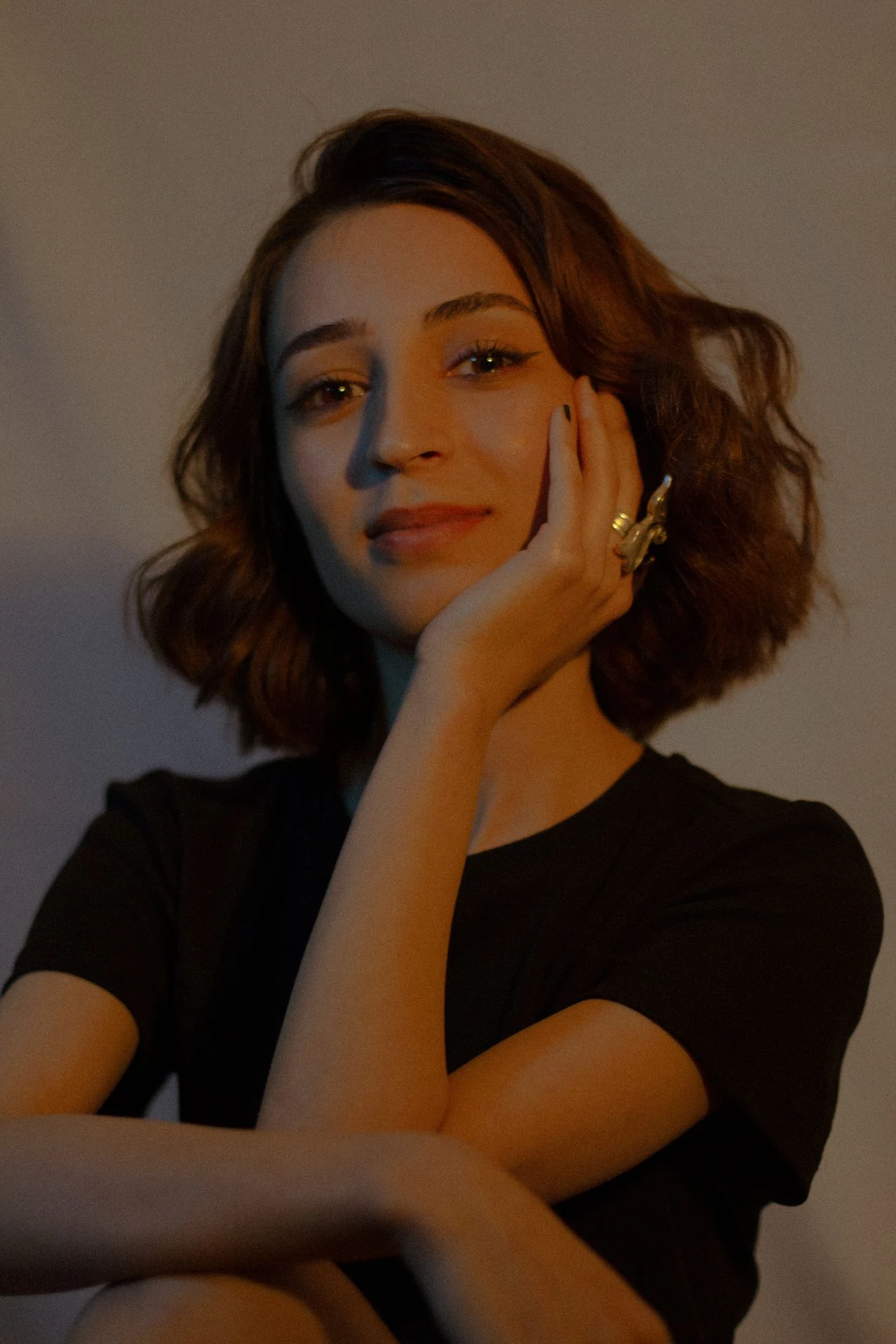
This bob keeps its blunt outline but hides light layers inside the cut, so hair lifts instead of hanging in one flat sheet. The layers stay internal — the perimeter keeps every strand. Scrunch in texture spray and air-dry to show the movement.
Best for: Fine hair that sits flat, low-effort styling.
Ask your stylist: “A bob with light internal layers for movement, but keep the ends blunt and the outline solid.”
3. French Bob with a Fringe
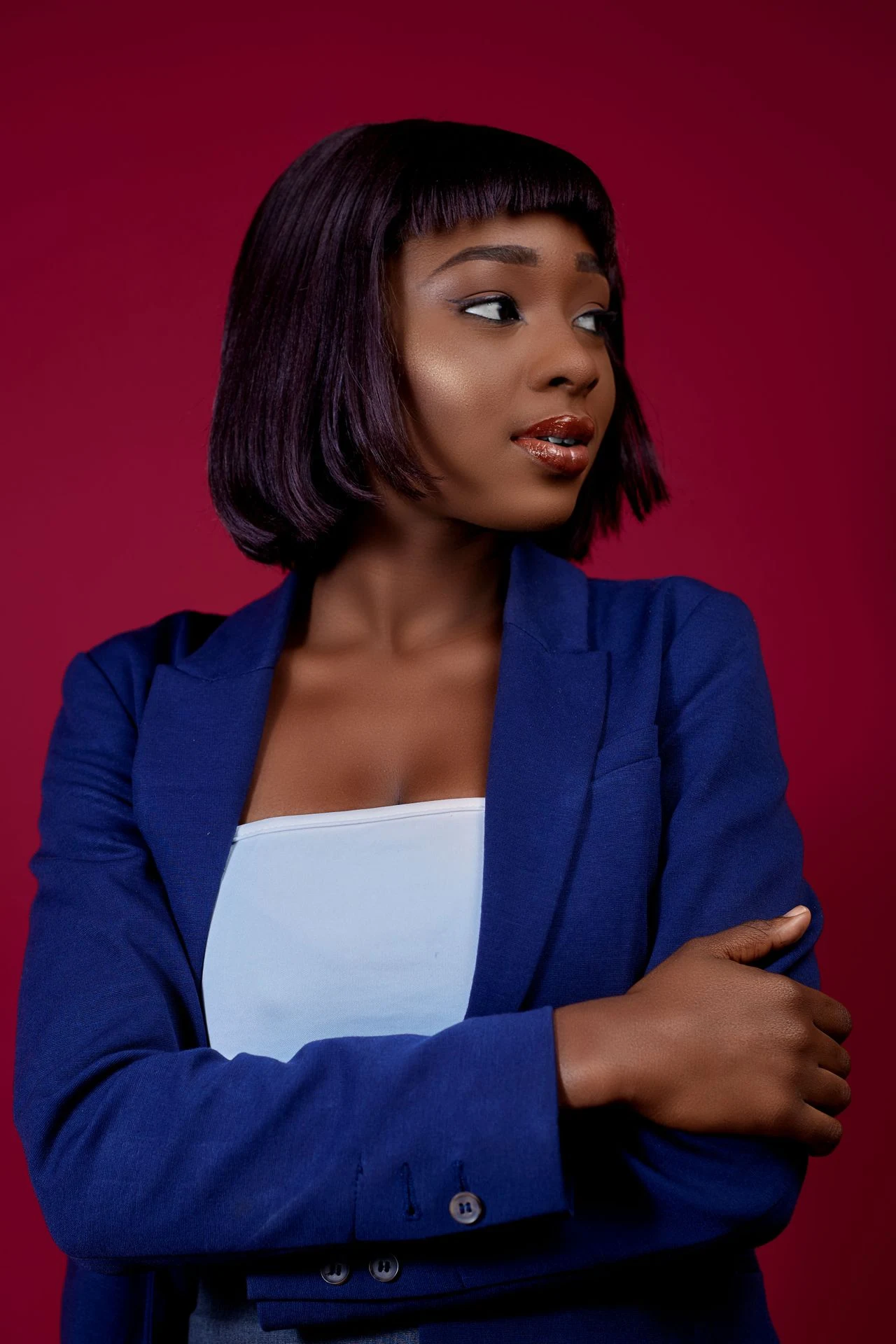
A short, chic bob ending around the jaw, with a fringe cut only from the top layer so the sides stay full. Shorter lengths help fine hair: the ends stop before they can thin out. Rough-dry it and let the fringe fall naturally.
Best for: Oval and heart faces, low-fuss routines.
Ask your stylist: “A jaw-length French bob with a soft fringe — cut the fringe shallow, from the top layer only.”
4. A-Line Bob (Longer at the Front)
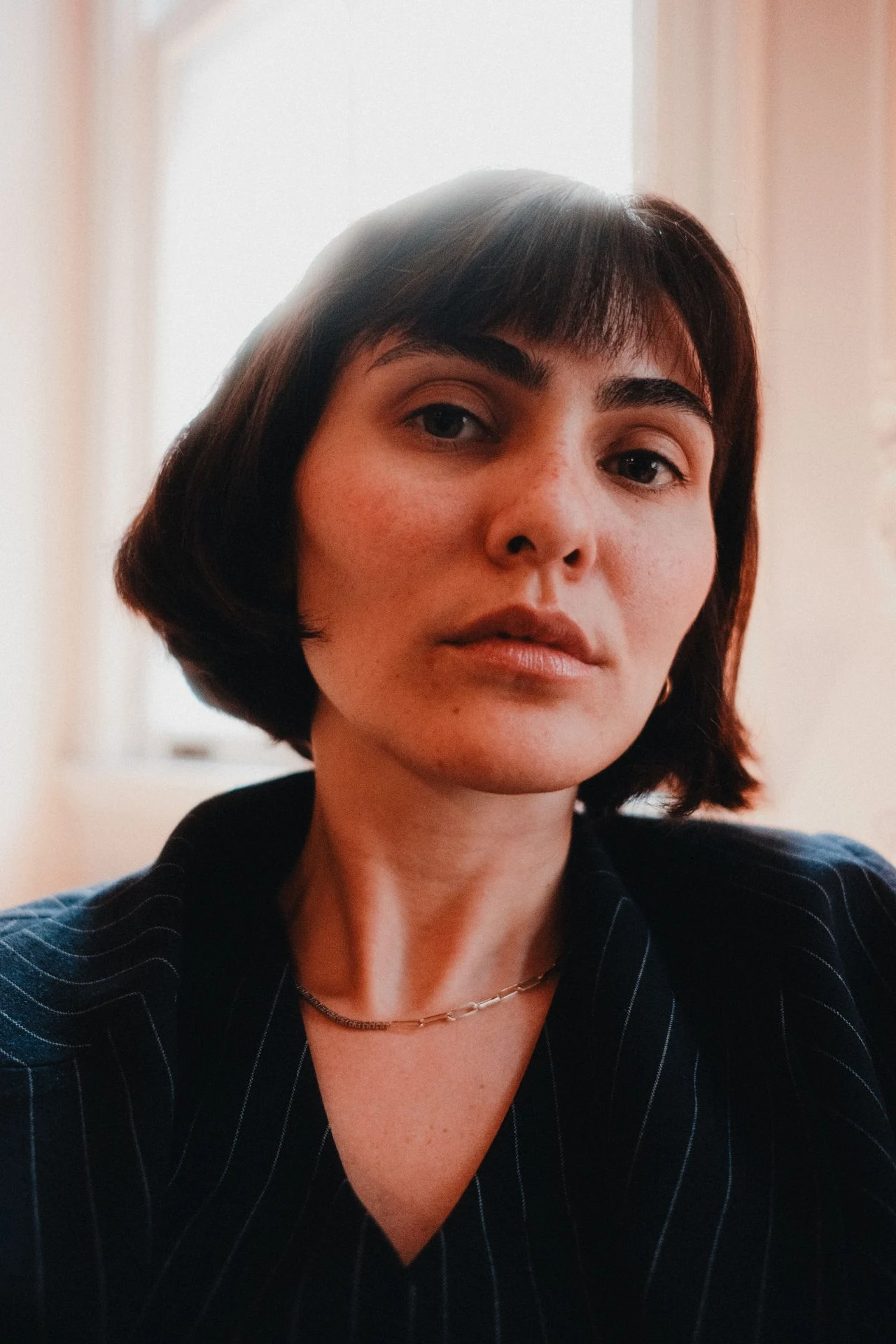
The back is cut shorter, the front points left longer — a clean diagonal line that draws the eye forward, where hair looks fullest. The raised back stops fine hair lying flat, too. Wear it straight, and trim every six weeks.
Best for: Round and square faces, straight to wavy hair.
Ask your stylist: “An A-line bob — shorter at the back, longer points at the front, with blunt ends.”
5. Short Stacked Bob with a Tapered Nape
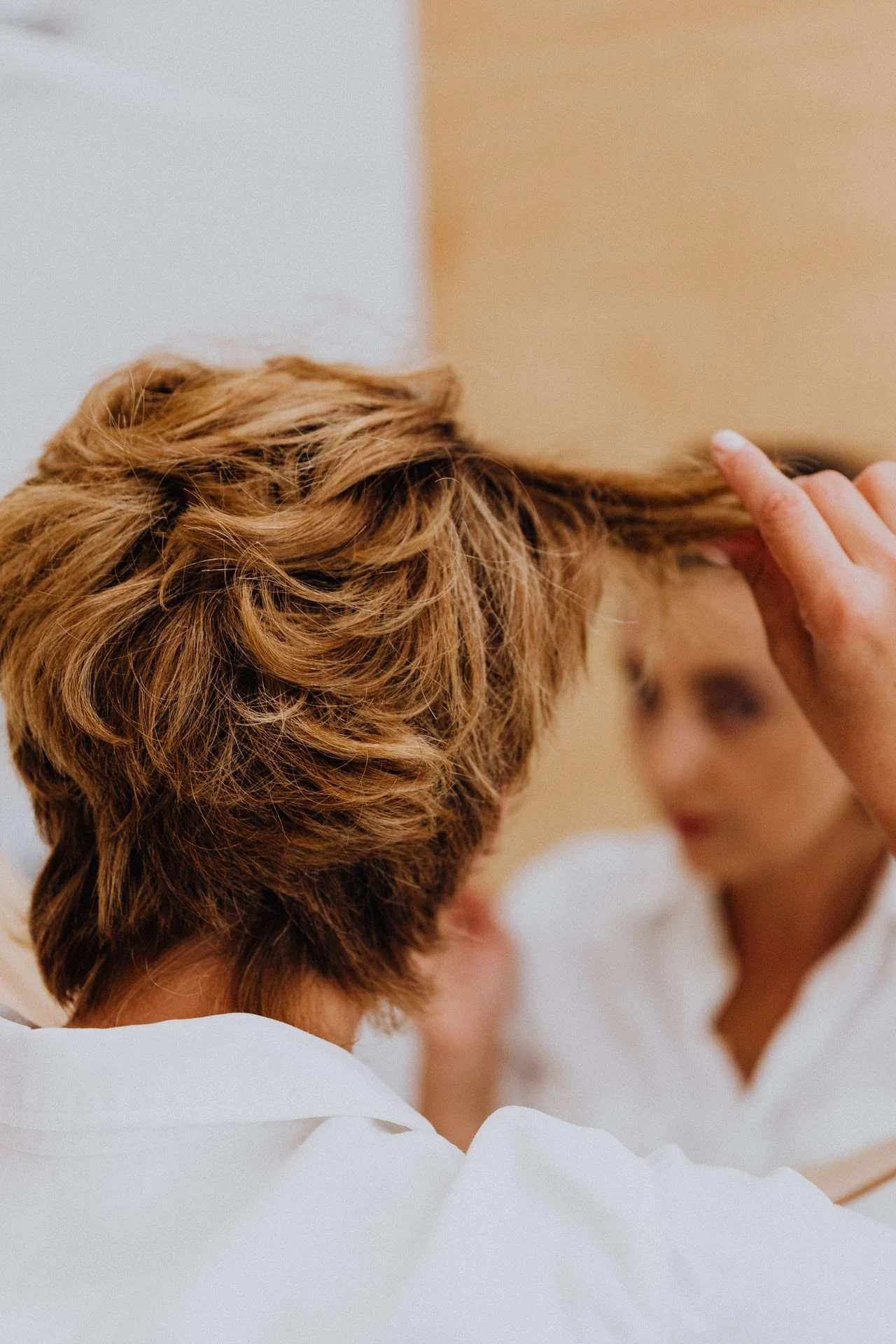
Seen from behind, this cut is all engineering: short layers stacked at the back, tapered clean into the nape. That built-up shape pushes hair forward, so the front looks noticeably fuller. Style with a round-brush blow-dry.
Best for: Very fine hair that goes flat at the back.
Ask your stylist: “A short stacked bob, built up at the back with a clean tapered nape, longer toward the front.”
6. Wavy Bob with Texture

Loose waves are fine hair’s best illusion — every bend adds width, and texture stops light shining through the gaps between strands. Bob length helps too: fine hair holds a wave better without weight pulling it straight. Scrunch in sea-salt spray, or wrap sections around a medium iron.
Best for: Naturally wavy hair, daily stylers.
Ask your stylist: “A textured bob I can wear wavy — keep the ends blunt and point-cut just the surface for movement.”
7. Chin-Length Bob with a Side Part
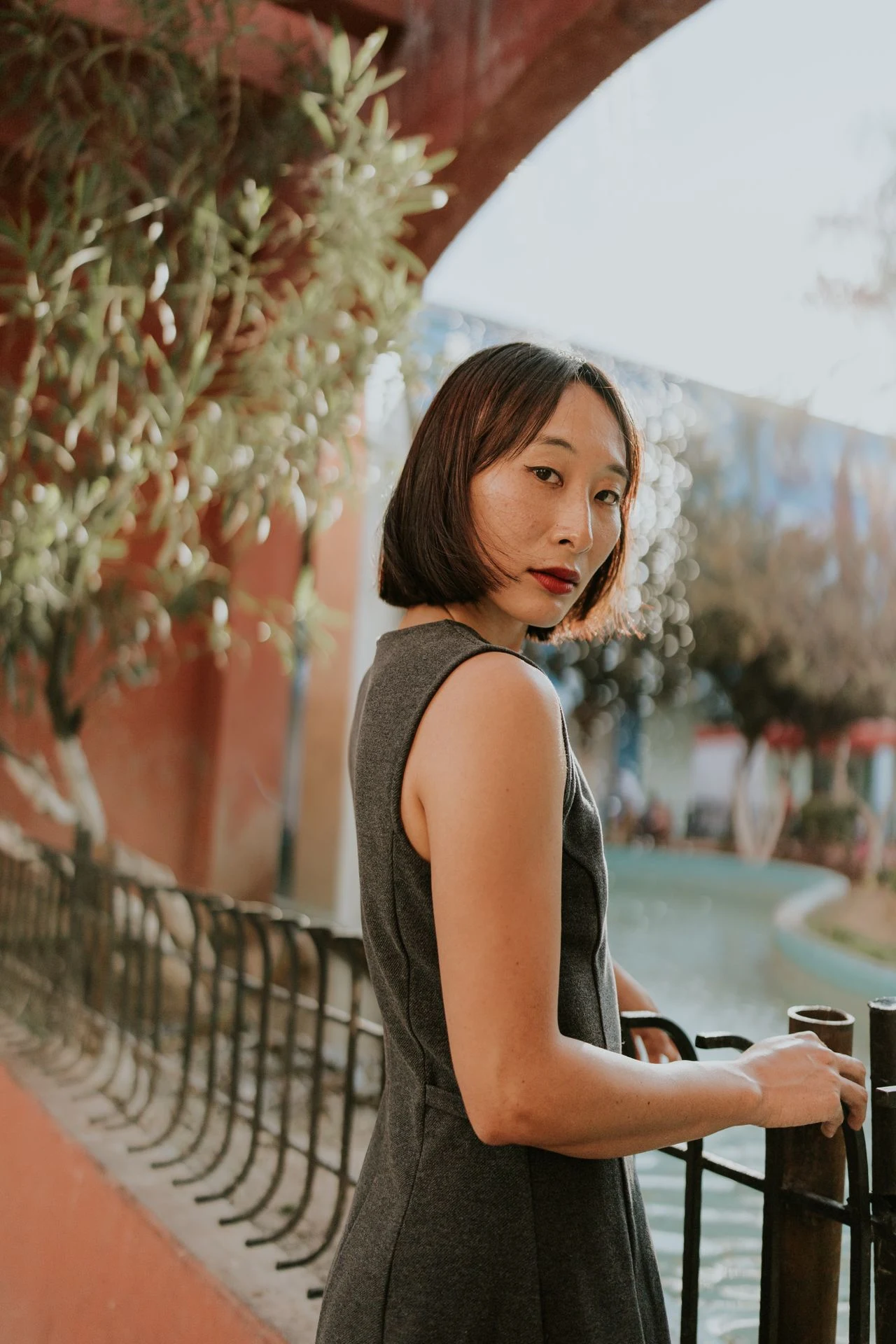
A simple chin-length bob transformed by one move: a deep side part. Flipping hair over to one side lifts the roots instantly and piles more hair on top, where it reads as volume. Chin length keeps the ends off your shoulders, so they stay full.
Best for: Any face shape, volume without products.
Ask your stylist: “A chin-length bob with a deep side part, blunt ends, and a little lift built in at the crown.”
8. Lob with Blunt Ends
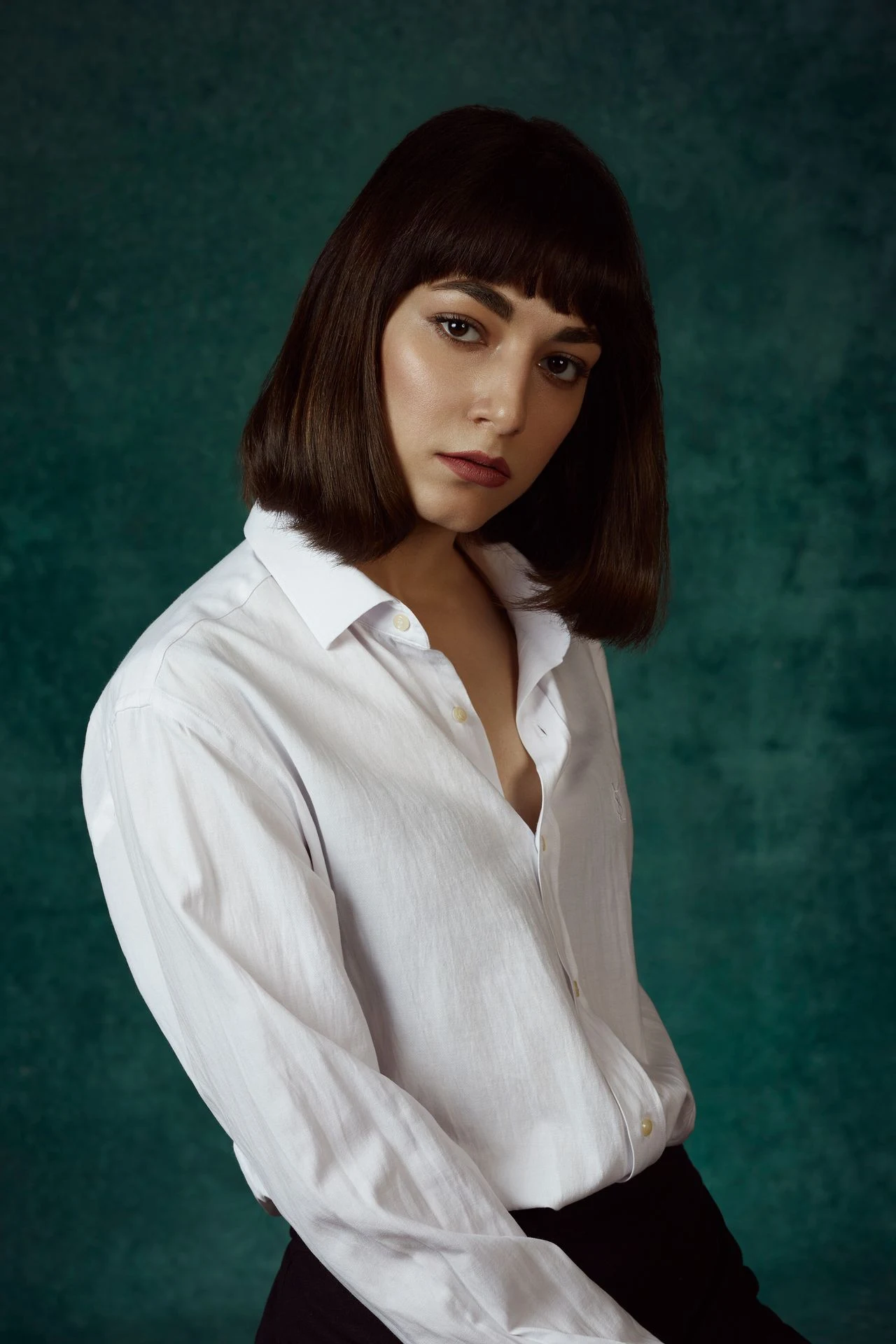
The long bob is as long as fine hair should go — around the collarbone, where the ends still hold a thick-looking line. The secret is no layers at the bottom: blunt ends keep the fullest edge. Blow-dry with a round brush for bend.
Best for: Long-hair lovers, oval and long faces.
Ask your stylist: “A collarbone-length lob with blunt ends — no thinning, no layers through the bottom.”
Choosing your length by face shape too? Our guide to short hairstyles for round faces rounds up the short cuts that slim and flatter a fuller face.
More in Short Hairstyles & Bob Haircuts:
9. Bob with Curtain Bangs
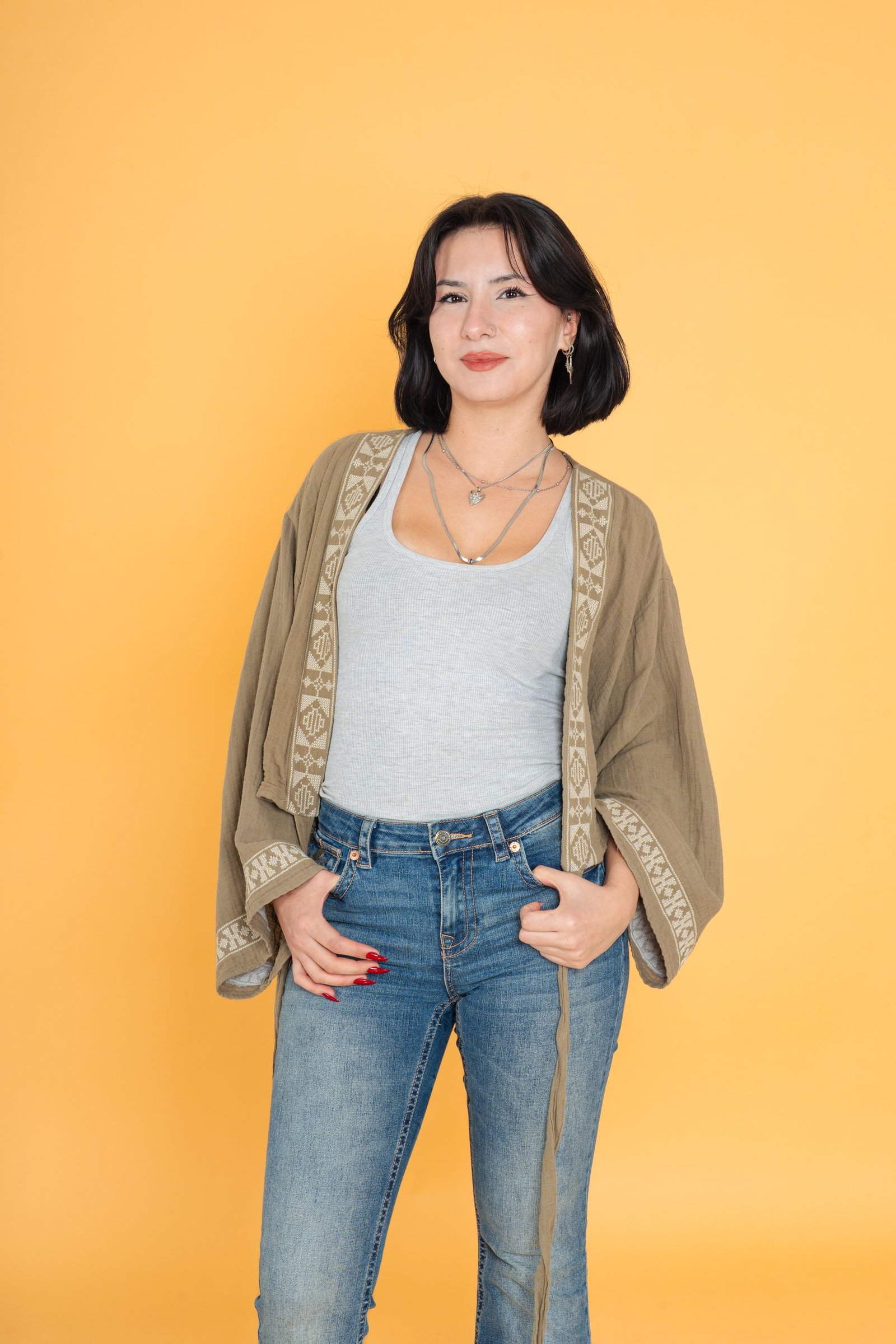
Curtain bangs part in the middle and sweep to the cheekbones, adding soft framing without a heavy block of fringe. The fine-hair rule: cut them shallow, from the top layer only, so they never steal density from the sides. Blow-dry forward first, then sweep apart.
Best for: Long and oval faces, growing out a fringe.
Ask your stylist: “Curtain bangs cut from the top layer only, blended into a blunt bob — keep the sides full.”
10. Asymmetric Bob
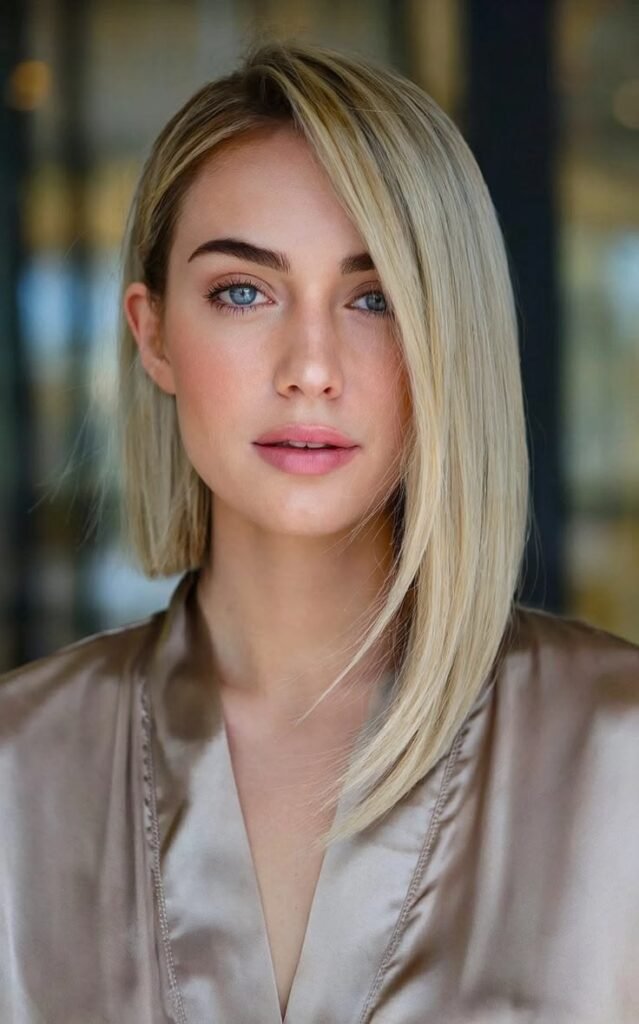
One side is left longer than the other, and that contrast does the work: the longer side reads bold and full, and nobody is counting strands. It keeps every thickness trick of a blunt bob, but looks like a fashion choice. Wear it sleek so the line shows.
Best for: Oval and heart faces, statement looks.
Ask your stylist: “An asymmetric bob, one side noticeably longer, blunt ends and a strong clean line.”
11. Bob Tucked Behind the Ears
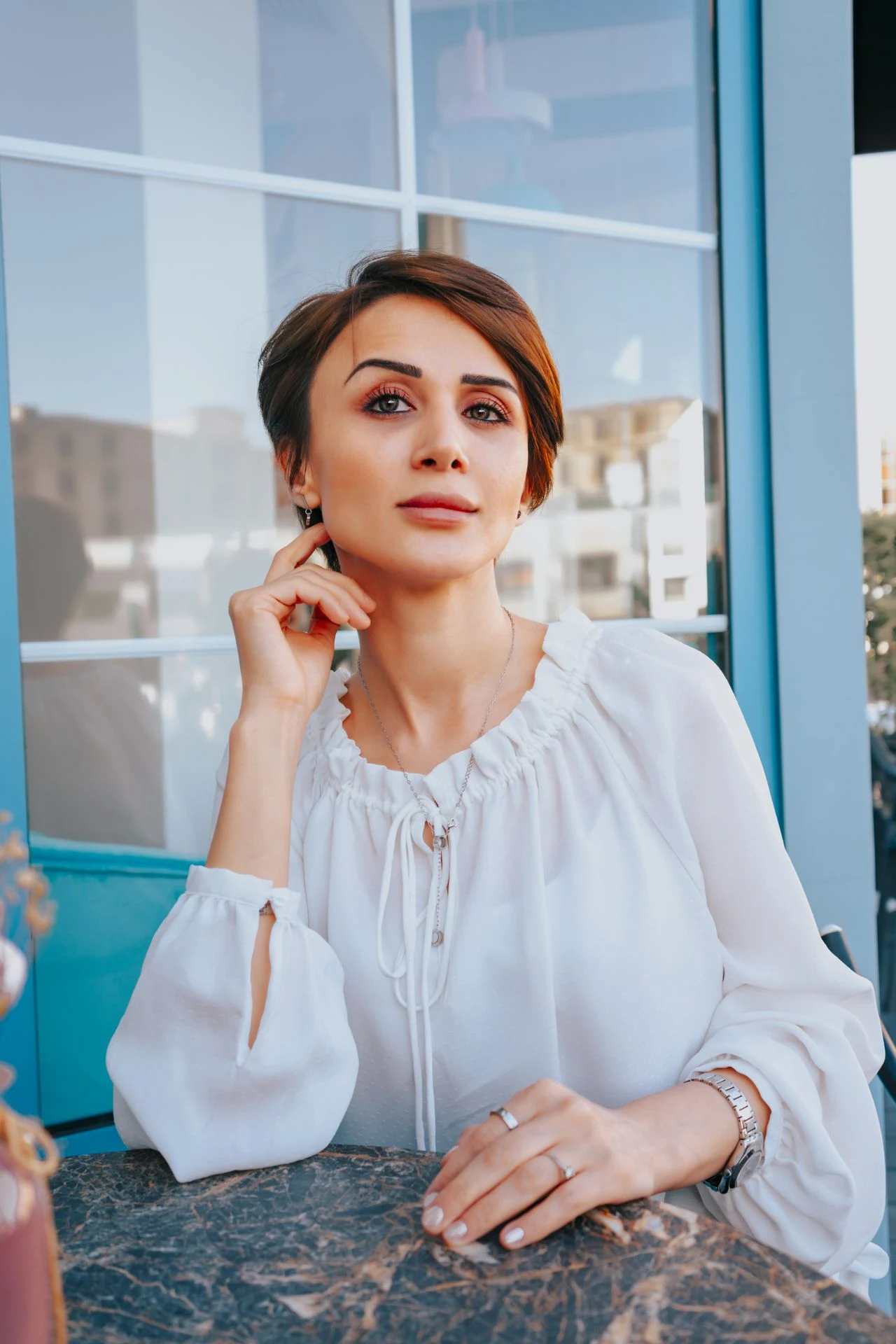
Tucking a bob behind your ears shows off its best feature: the solid perimeter line from front to back. Fine hair looks instantly neater and denser with that edge on display, instead of falling in wisps around the face. Smooth on serum, tuck, and it stays polished all day.
Best for: Neat days, earrings and makeup on show.
Ask your stylist: “A blunt bob that tucks cleanly behind my ears, with enough length at the front to stay put.”
12. Rounded Bob with Volume at the Crown

This bob is shaped into a soft curve that tucks under at the ends, with the crown lifted so the silhouette looks rounded and full. A curved shape spreads limited hair evenly, with no separation into strands. Blow-dry with a round brush, rolling the crown up and back.
Best for: Fine hair that falls flat on top.
Ask your stylist: “A rounded bob that curves under at the ends, with volume built in at the crown.”
13. Feathered Bob with Light Layers
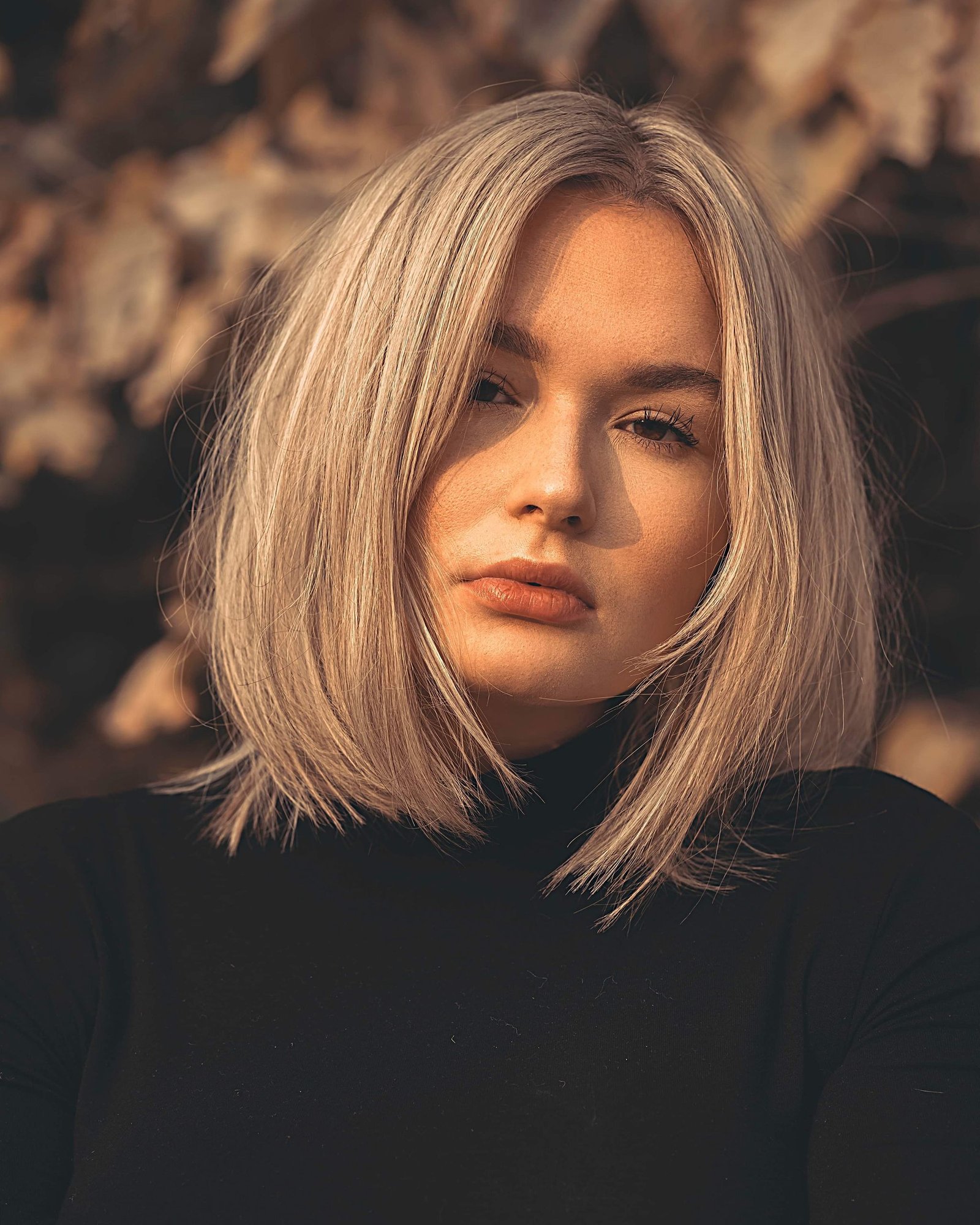
Feathering flicks the ends gently outward, giving fine hair movement and air without cutting into its bulk. The layers are long and few — just enough to feather the surface, never the choppy, weight-removing kind. Blow-dry with a round brush, ends rolled outward.
Best for: Straight to slightly wavy hair, soft styling.
Ask your stylist: “A feathered bob with long, light layers only — keep the ends full and flick them outward.”
14. Sleek Bob with a Center Part
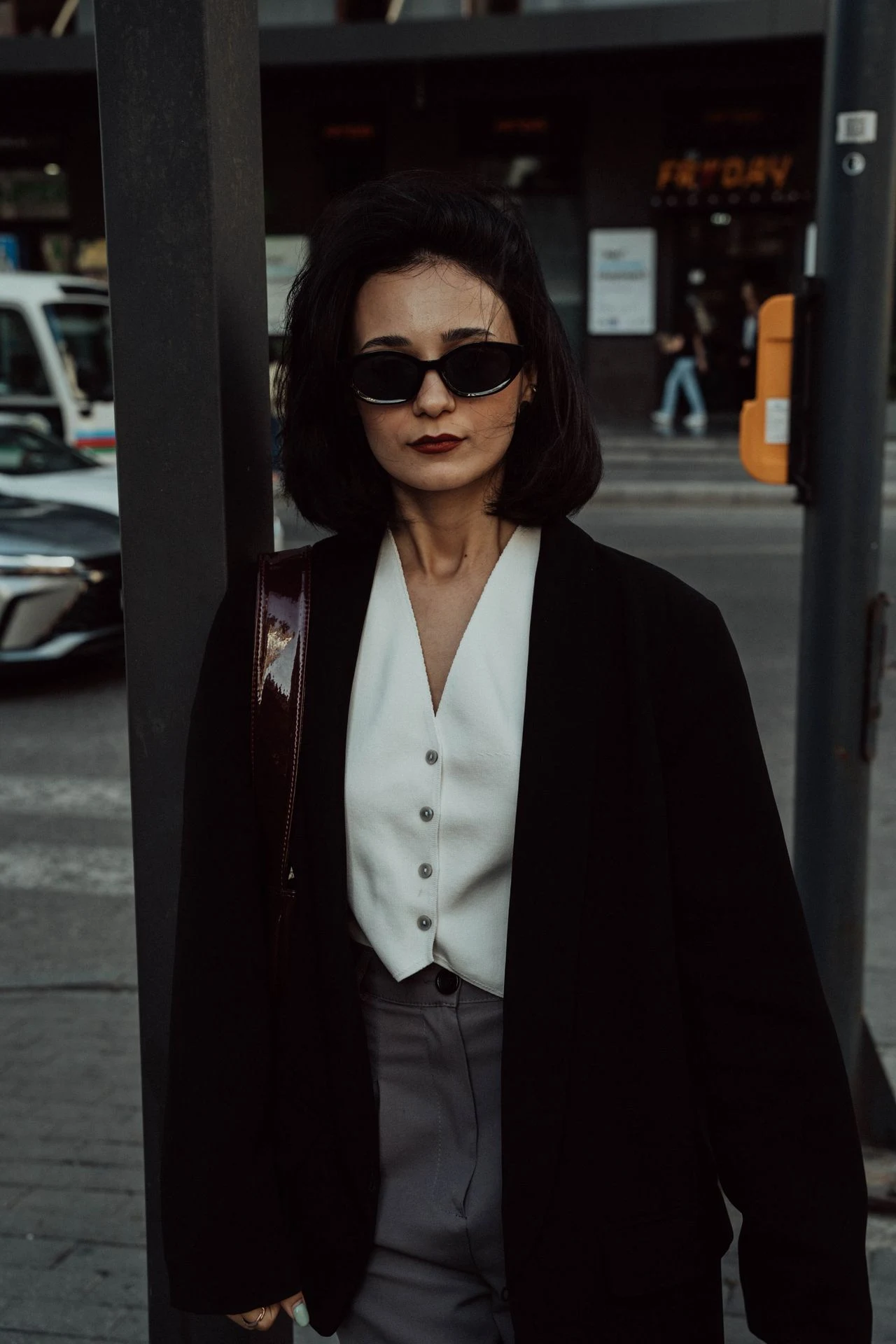
Worn glass-smooth with a clean center part, a bob’s surface reflects light evenly, so the hair reads as one dense sheet. A dark, one-tone color helps too — a single deep shade looks denser than wispy highlights. Flat-iron in small sections; finish with shine serum.
Best for: Sleek looks, naturally straight fine hair.
Ask your stylist: “A sleek one-length bob with a center part, blunt ends, and a smooth glossy finish.”
15. Textured Bob with Piecey Ends

The ends are point-cut into soft, separate pieces instead of one straight line, so the edge looks intentional and textured rather than thin. A fingertip of texture paste, pinched through the ends, adds the grip fine hair lacks. The most relaxed bob here — and it grows out forgivingly.
Best for: Relaxed, undone styling, wavy to straight hair.
Ask your stylist: “A textured bob with piecey, point-cut ends — keep the body of the hair full, texture only at the very ends.”
Frequently Asked Questions
What is the best bob length for fine hair?
Between the chin and the collarbone. At that length the ends stay thick-looking and the hair still swings. Past the shoulders, fine hair drags down and the ends look thin, however well it is cut.
Do layers help or hurt fine hair?
Heavy or choppy layers hurt: they remove the little weight fine hair has, and the ends turn stringy. Light layers inside the cut are different — they lift and add movement while the outline stays blunt and full. Always ask for internal layers only.
How can I make a bob look thicker every day?
Work root-lifting mousse into damp hair, then blow-dry upside down, or lift at the crown with a round brush. Flipping your part adds instant height, and dry shampoo stops it collapsing by midday. Keep heavy oils away from the scalp.
Are bangs a good idea with fine hair?
Yes, if they are cut the fine-hair way: shallow, from the top layer only, and kept soft, like curtain bangs or a wispy fringe. A thick fringe cut deep steals density and leaves the sides thinner.
How often does a bob on fine hair need trimming?
Every six to eight weeks. Fine ends split and fray faster than thick hair, and once the blunt edge softens, the whole cut loses its thick-looking line. Regular small trims keep the perimeter solid — the entire trick of a fine-hair bob.
The Final Cut
Fine hair does not need length to look good — it needs the right shape. Blunt ends, a sensible length, and volume at the crown will do more than growing and hoping.
Pick the bob that fits your mornings, take its photo to your appointment, and use the stylist lines word for word. You will walk out with hair that looks twice as thick as the hair you walked in with.